Research projects spanning audio-visual sensing, robotics, AI, and explainability. Interdisciplinary collaborations across UK, Switzerland, France, Italy, and Korea, combining expertise from computer vision, signal processing, sensors, and AI. Dates indicate my period of involvement.
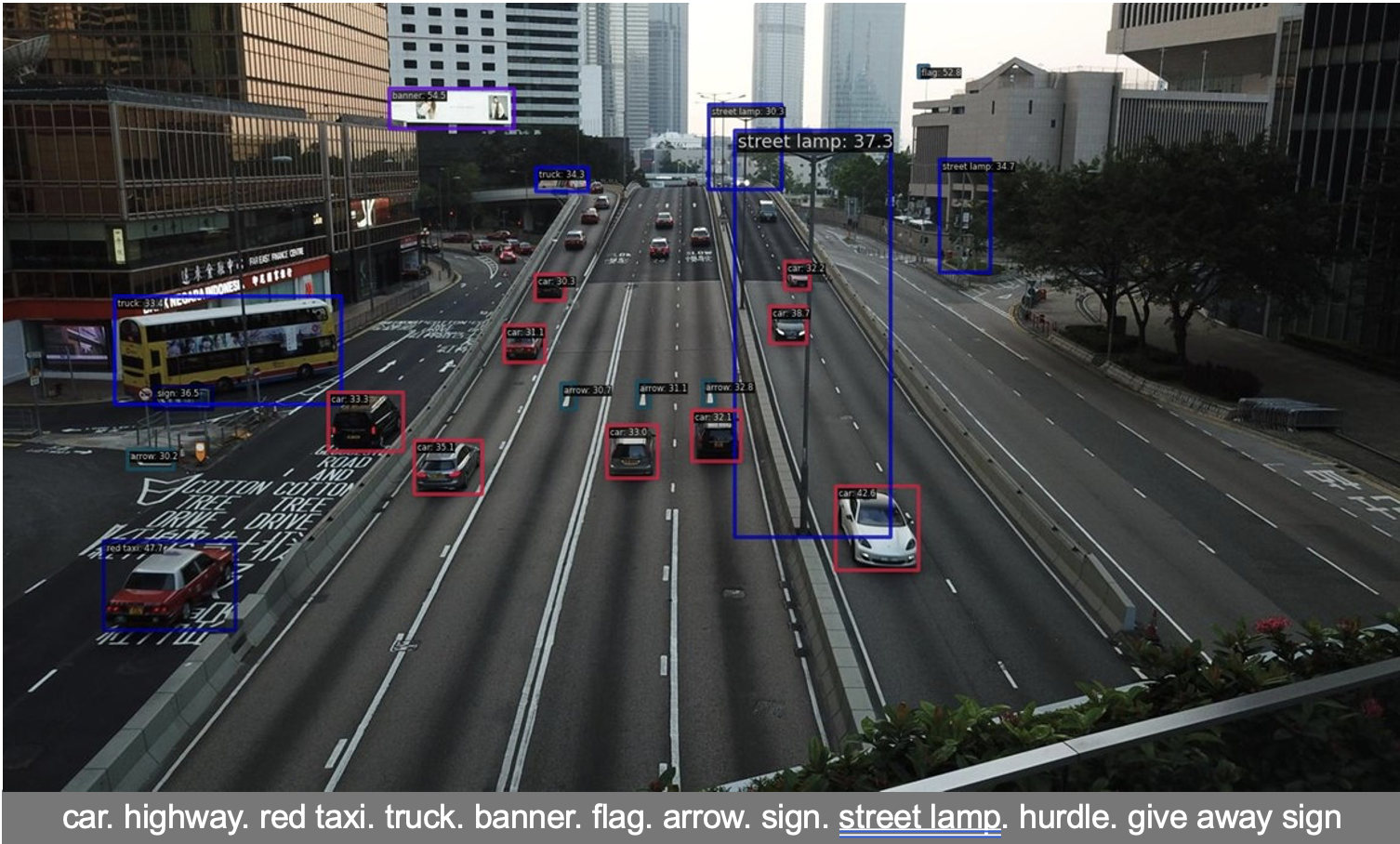
Multi-Modal Foundational Models and AI Accelerators for Zero-shot Intelligent Surveillance System
Surveillance
Foundational Models
Vision-language Models
Computer Vision
Zero-shot intelligent surveillance system leveraging multi-modal foundational models
and AI hardware accelerators for scalable, real-time video understanding and scene analysis.
Project partners: QMUL (UK) | Innodep (South Korea) | Imperial College (UK)
Principal Investigator: Dr. Changjae Oh
Project status: Ongoing

GraphNEx: Graph Neural Networks for Explainable Artificial Intelligence
Explainability
Graph Neural Networks
Privacy Protection
Multimodal AI
Interdisciplinary project focused on extrapolating semantic concepts and meaningful relationships from graphs
by using concepts and tools from graph signal processing and graph machine learning, while promoting
human interpretability. The graph-based framework will adaptively evolve the graphical knowledge base
and develop inherently explainable AI.
Project partners: QMUL (UK) | EPFL (Switzerland) | ENSL (France)
Principal Investigator: Prof. Andrea Cavallaro
Project status: Finished
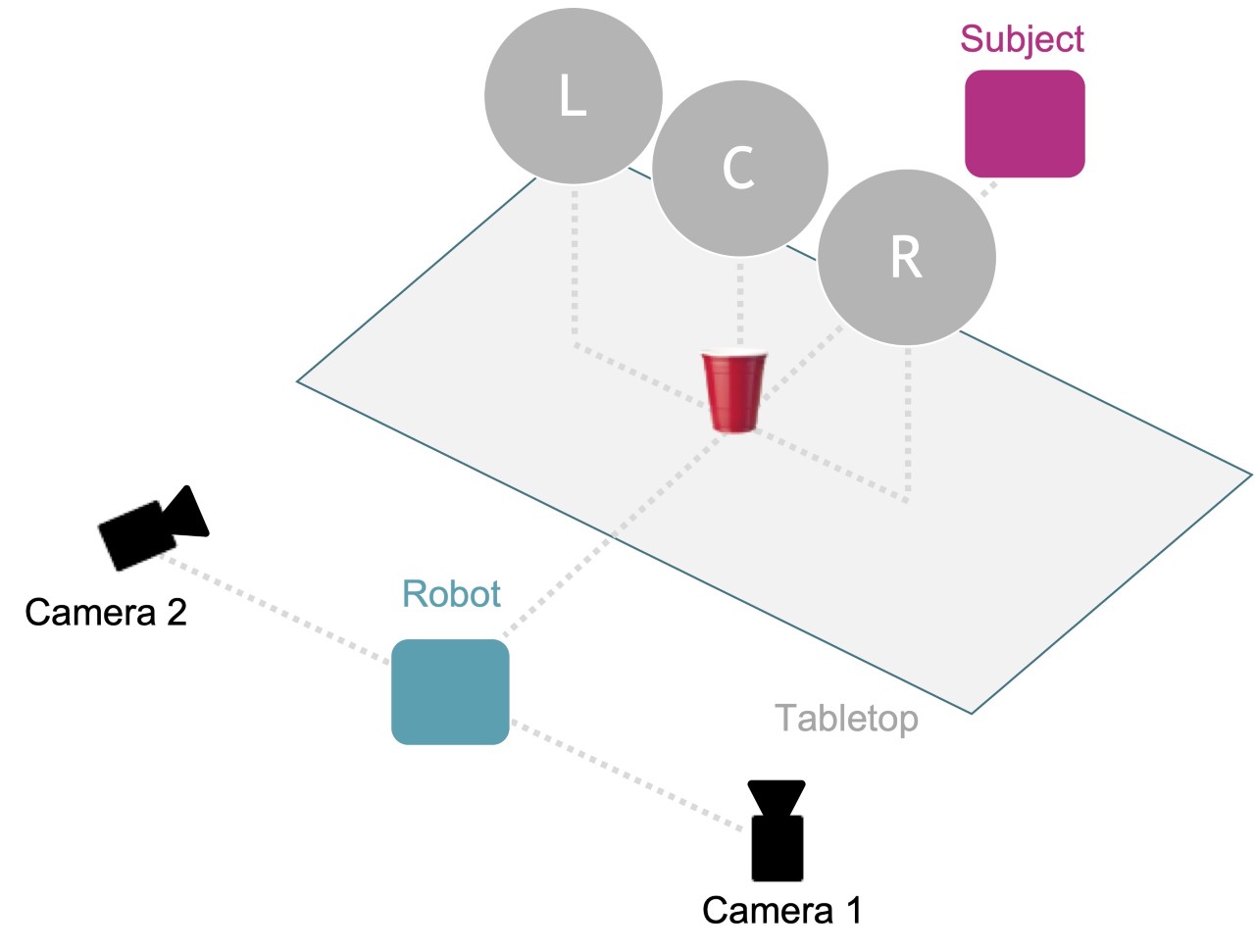
CORSMAL: Collaborative Object Recognition, Shared Manipulation and Learning
Robotics
Multimodal Sensing
Object Recognition
Benchmarking
Human-robot collaboration
Interdisciplinary project focused on enabling robots to operate in noisy and potentially ambiguous environments
in collaboration with humans by exploring the fusion of multiple sensing modalities (sound,
vision, touch) to accurately and robustly estimate the physical properties of objects a person intends
to hand over to the robot. Benchmarking robotics and perception algorithms for object recognition and manipulation
in human-robot handover scenarios.
Project partners: QMUL (UK) | EPFL (Switzerland) | Sorbonne University (France)
Principal Investigator: Prof. Andrea Cavallaro
Project status: Finished

National Centre for Nuclear Robotics (NCNR)
Robotics
Nuclear Environment
Autonomous Systems
An interdisciplinary project that brings together a diverse consortium of experts in robotics, AI,
sensors, radiation and resilient embedded systems from 8 universities in the UK.
Addressing complex problems in high gamma environments,
where human entries are not possible at all, or in alpha-contaminated environments, where air-fed suited
human entries are possible, but engender significant secondary waste (contaminated suits), and reduced
worker capability.
Principal Investigators (QMUL): Prof. Kaspar Althoefer and Prof. Andrea Cavallaro
Project status: Finished
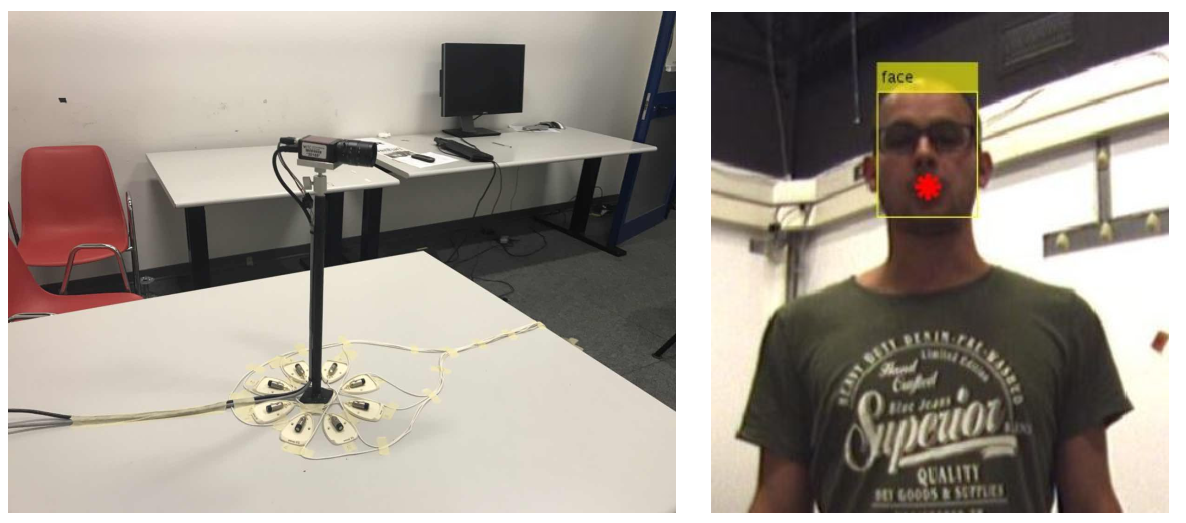
Audio-Visual Intelligent Sensing
Audio-Visual
Multimodal sensing
3D perception
Computer vision
Distributed cameras
Interdisciplinary project to enable mobile audio-visual monitoring for smart interactive and reactive environments
by exploring methods for people tracking, activity recognition, acoustic scene analysis, behaviour analysis,
distant-speech recognition and understanding applied to individuals as well as groups in multi-camera
multi-microphone environments.
Partners: Centre for Intelligent Sensing (QMUL, UK) | TeV (Fondazione Bruno Kessler, Italy)
Project status: Finished